
Sublimation ink delivers vivid colors and exquisite texture, performing excellently in custom personalized products such as T-shirts and mugs. However, it is inapplicable for conventional printing of newspapers, books, posters and other printed matters, fundamentally due to the divergent design concepts between sublimation ink and regular printing requirements.
1. Differentiated Working Principles
Sublimation ink requires high temperature ranging from 180℃ to 220℃ to sublimate directly from solid into gas, permeate dedicated substrates and resolidify for color rendering; printing fails without high-temperature treatment. By contrast, conventional inks (e.g., offset printing inks) dry rapidly at ambient temperature via solvent evaporation or paper infiltration, matching the high-speed room-temperature production of regular printing.
2. Substrate-Specific Compatibility
Sublimation ink only bonds well with polyester fabrics or specially coated materials. Direct printing on ordinary paper results in blurred prints, severe ink bleeding and easy color rubbing off, failing to meet basic clarity and color fastness standards. Regular printing inks are compatible with various stock including newsprint and coated art paper.
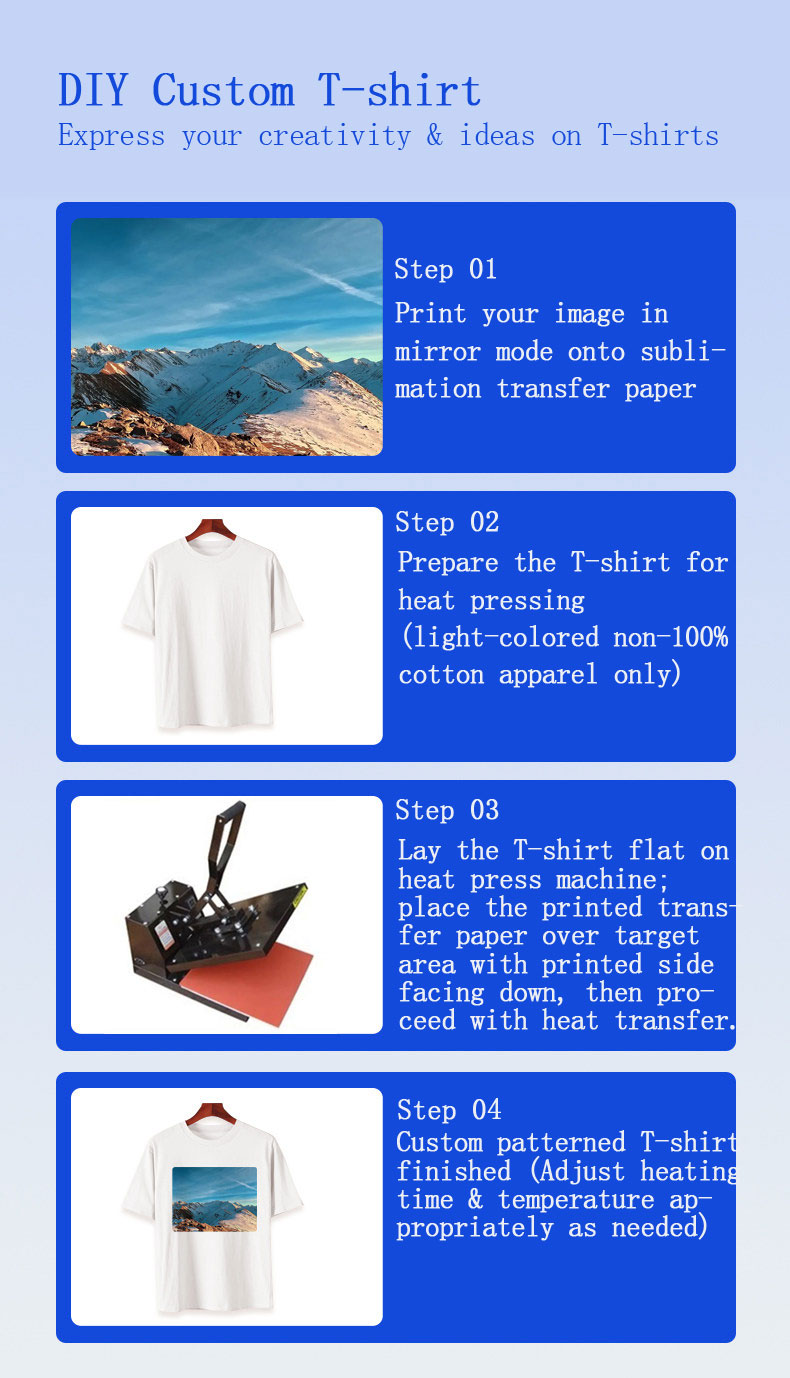
Sublimation ink delivers vivid colors and exquisite texture

permeate dedicated substrates and resolidify for color rendering
3. High Production Cost & Low Productivity
Sublimation ink costs 2.5 to 4 times more than standard printing ink, with additional expenses for dedicated printers and heat-transfer equipment. An offset press outputs hundreds of linear meters per minute, while single-piece sublimation transfer takes dozens of seconds. Applying sublimation technology to newspaper printing would drastically inflate costs and slash production efficiency.
4. Incompatible Physical Properties & Equipment
Sublimation ink features poor water resistance and scratch resistance, unsuitable for outdoor posters and packaging. Besides, its viscosity mismatches conventional printing devices; improper refilling will cause nozzle clogging and permanent equipment damage.

OBOOC sublimation ink boasts high pigment concentration
OBOOC Sublimation Ink
Refined with imported Korean color paste, OBOOC sublimation ink boasts high pigment concentration, rich saturated hues and over 90% color reproduction rate, delivering layered printed effects comparable to offset artwork after heat transfer.
1. Ultra-fine ink particles ≤0.2 μm, perfectly compatible with precision printheads such as XP600 and i3200; stable continuous printing up to 100 meters without nozzle clogging or broken ink lines, doubling printhead service life.
2. Superior ink fluidity achieved via optimized surface tension and evaporation rate control; finishes color fixation within 0.5 seconds under heat transfer. Adopting nano penetration technology, ink molecules penetrate deep into substrate fibers to form compact molecular films, lifting scratch resistance by 300% while retaining softness and air permeability of fabrics.
3. Outstanding color fastness: Level 4–5 wash fastness and Level 8 light fastness; over 90% color saturation retained after 50 cycles of machine washing for stable outdoor color performance. Featuring high transfer rate for lower ink consumption, it works on polyester, ceramic, metal and multiple substrates to satisfy mass personalized customization production.
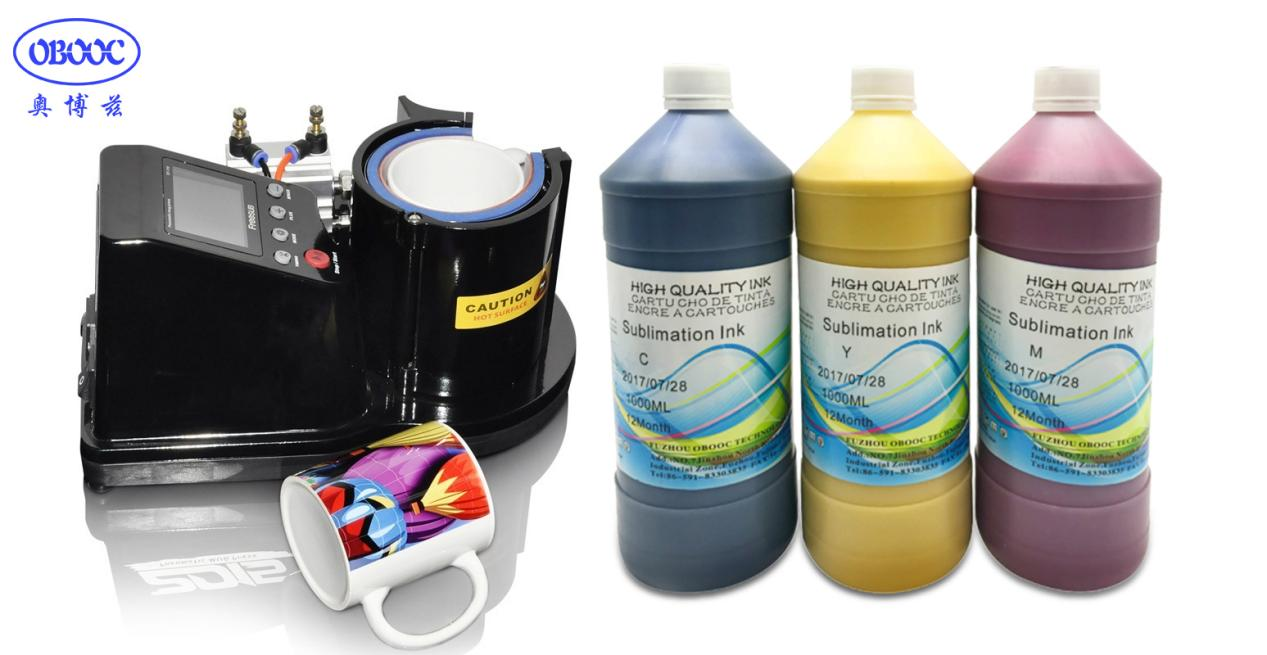
rich saturated hues and over 90% color reproduction rate

Post time: Jun-16-2026